


The Synth-Pop Duo's Musical Force Dave Ball Dies, Aged 66
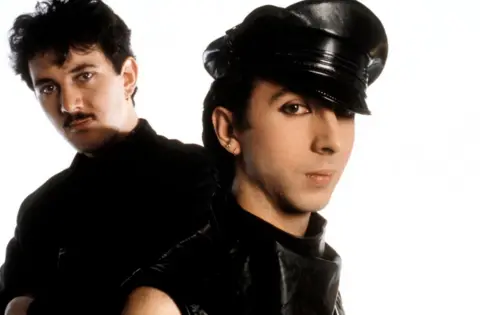
Dave Ball, a key member of the pioneering 1980s electronic music duo Soft Cell, has died at the age of 66.
Alongside singer Marc Almond, the duo achieved a worldwide hit with their cover of Gloria Jones' Tainted Love in the mid-80s, and their debut album their initial full-length release is considered a classic of synth-pop.
He subsequently founded the pioneering techno group The Grid, who achieved chart success with their 1994 single Swamp Thing.
Ball passed away peacefully in his sleep at his home in London on Wednesday 22 October, just weeks after performing a headline show with Soft Cell at the Rewind Festival in Henley-on-Thames.
Health Struggles
At that show, Ball appeared in a mobility chair, as he had for the last two years, after a period of ill-health.
"I managed to injure myself significantly," he stated in a recent interview. "I fractured lower vertebrae in my spine and cracked about five ribs and broke my arm."
Following catching a lung infection and developing blood poisoning, he was put in an induced coma and remained in hospital for seven months.
However, he had been in "a great place mentally" over the warmer months, as he was developing a fresh record with Almond, titled the upcoming Danceteria, which is scheduled for publication next year.
"He was concentrated and very pleased with the latest project that we literally completed only a few days ago," stated the vocalist in a heartfelt message.
"It's truly heartbreaking as next year was all set to be such an positive year for him, and I find comfort from the knowledge that he heard the completed album and believed that it was a great piece of work."
Heartfelt Messages
Almond described his collaborator as "a wonderfully brilliant musical genius", stating: "He was the core essence of Soft Cell and I'm extremely pleased of our legacy.
"Many thanks Dave for being an immense aspect of my life and for the songs you gave me. I couldn't be where I am without your influence."
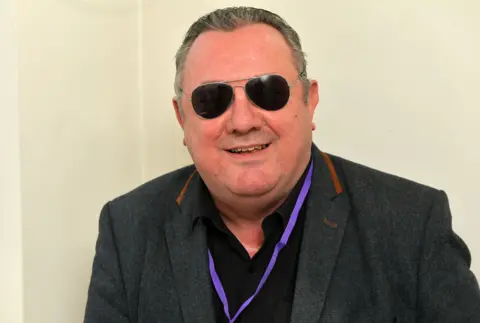
Richard Norris from The Grid, shared his condolences, recalling Ball's "endless laughter" and "steadfast support".
"Being in a duo with someone is distinct from being in a band, the bond is incredibly close," he added.
"That's how it was with us. We experienced so many remarkable, extraordinary, memorable moments together. Many thanks, Dave."
Early Life
Brought into the world into a one-parent family in Chester in 1959, Ball was given up for adoption when he was a year and a half of age.
He grew up in Blackpool with adoptive parents Donald and Brenda Ball, who changed his first name from his birth name to David, alongside his younger sister Susan, who was similarly welcomed.
He met Almond at Leeds Polytechnic in the late 70s, where they were both studying fine arts. Fuelled by a shared love of a music genre, they formed Soft Cell the same year, and quickly produced an EP.
Creative Collaboration
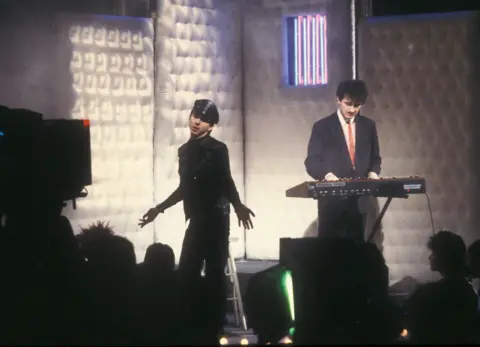
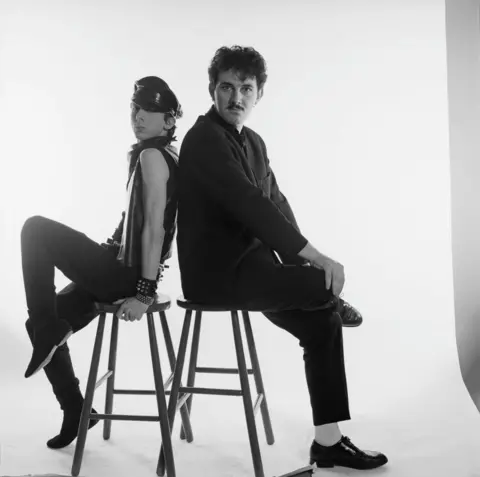
The duo were an unusual pairing: Ball was the quiet technician, hunched over his synthesizer, while Almond was a flamboyant showman, all glitter and eye-liner; but they achieved a unique musical alchemy.
Ball had cultivated a fascination with synthesizers after viewing the band Kraftwerk perform on BBC program Tomorrow's World, and started to marry dark electronica to the soaring melodies Almond was writing.
Their signature song became the UK's second most popular song of 1981, shifting millions of copies worldwide. Together with successful tracks by Gary Numan, contemporary bands and Ultravox, it helped paved the way for the synth-pop sound of the 1980s.
The track was also featured on their first album, their initial LP, which spawned two further high-charting hits: Bedsitter and Say Hello, Wave Goodbye.
They continued the record up with the separate release, Torch, which peaked at number two in 1982.
Career Highlights
Success had its benefits. "I enjoyed being able to purchase my first home, having money and exploring, which might seem like a Miss World," Ball recently told with a music magazine.
But it also caused challenges. "Sudden riches allowed we could afford newfound drugs to alleviate the monotony" of press appearances and television shows, Ball said.
"I know that's a common saying, but it's a truism for a valid cause, because it works for so many bands."
During the hedonistic lifestyle, the duo were also drifting apart, but they managed to create a follow-up memorable record - the wayward, tense and aptly-titled The Art Of Falling Apart.
They put out another LP, their 1984 release This Last Night In Sodom, before ending the band to concentrate on other projects.
Almond went on to have a successful solo career, featuring the chart-topping single Something's Got A Hold Of My Heart; while Ball formed The Grid, who mixed acid house with melodic sounds over a enduring partnership.
Reunions and Final Projects
Soft Cell reunited in the early 2000s, producing the Top 40 album Cruelty Without Beauty.
After a further break, they reappeared in 2018, issuing the new tracks Northern Lights and Guilty (Cos I Say You Are) before performing what was intended to be a farewell show at the large venue on September 30, that year.
However, they stayed together, creating their fifth album, Happiness Not Included, during the pandemic Covid lockdown.
Ball lately described the duo's upcoming release as a homage to the NYC nightlife they frequented while making their initial records.
He noted that his period in medical care had influenced the band's sound.
"I experienced strange recollections when I was coming and going of hospital because I was on morphine," he told a publication.
"The new songs are a electronic representation of the noises in my mind from that time.
"Simultaneously, it's about the experiences me and Marc had in the 80s."
The last versions were completed only days before Ball died. It is scheduled for release in the spring of 2026.